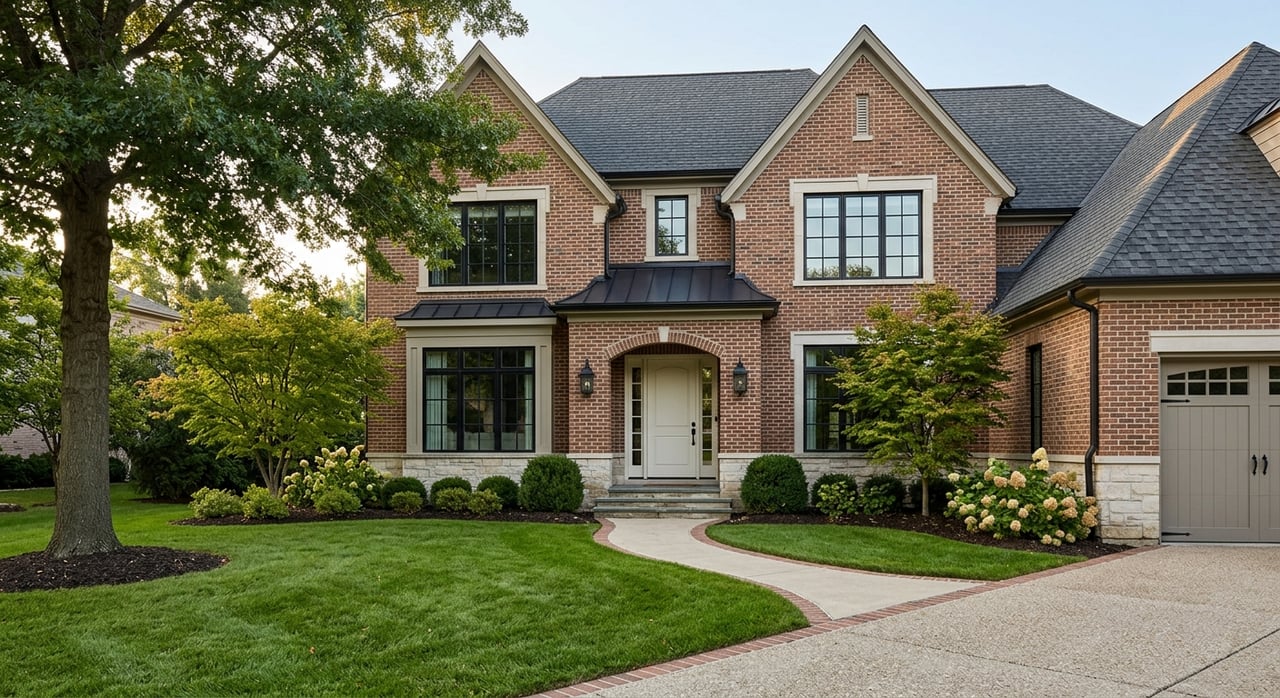
Moving to a new city can feel simple on paper and complicated in real life. If you are relocating to Johns Creek, you are likely balancing commute times, housing options, daily convenience, and long-term resale value all at once. The good news is that Johns Creek offers a stable, established North Fulton market with strong owner occupancy, practical amenities, and a location that works well for many North Atlanta buyers. Let’s break down what matters most before you buy.
Why Johns Creek Appeals to Relocating Buyers
Johns Creek is best understood as an established suburban market, not a fast-growing new construction frontier. City and Census data both show a mostly owner-occupied community, with roughly 77% to 80.4% of homes owner-occupied and a median owner-occupied home value of $629,400. Most homes were built between 1980 and 2000, which means many buyers here are choosing from resale homes rather than brand-new inventory.
That profile fits a wide range of buyers. If you want a move-up home, an executive residence, a townhome with lower exterior upkeep, or a luxury resale property, Johns Creek offers strong options. If your top priority is brand-new housing stock, you may want to compare Johns Creek with Alpharetta or Milton as part of your search.
For remote and hybrid workers, the city also checks an important box. Census data shows 97.8% of households have a broadband subscription, and city data says more than 99.5% of Johns Creek is served by broadband. In practical terms, internet access is not usually the limiting factor when you work from home.
Start With Commute, Not Curb Appeal
One of the biggest relocation mistakes is falling in love with a house before testing the drive. In Johns Creek, commute patterns shape daily life more than many out-of-area buyers expect. The city reports that 92% of working residents leave Johns Creek for work, and the average one-way commute is 30.1 minutes.
Many residents work near GA 400 or in Atlanta, Alpharetta, Sandy Springs, and Roswell. Within Johns Creek itself, major employment areas include Tech Park, Medlock Bridge Road, and the State Bridge and Jones Bridge corridor. That means your location inside the city can have a real impact on how easy your workweek feels.
Road congestion is also very specific. The city identifies SR 141 and Medlock Bridge Road, State Bridge Road, Kimball Bridge, Abbotts Bridge, Old Alabama, and McGinnis Ferry as corridors that can run over capacity during peak times. Since there is no MARTA-operated transit within city limits, most buyers should think in terms of driving patterns rather than transit access.
Roads to Watch During Your Search
When you compare homes, pay attention to how close they are to the routes you will actually use most often, such as:
- GA 400 access points
- SR 141 and Medlock Bridge Road
- State Bridge Road
- McGinnis Ferry Road
- Secondary roads that may help you avoid peak bottlenecks
A beautiful home can still feel like the wrong fit if the daily drive adds stress. For many relocating buyers, the smartest first filter is not square footage or finishes. It is how the home connects to your real routine.
Understand the Housing Stock
Because Johns Creek is an established market, your search strategy should reflect that. You will usually see more resale homes than new construction, and that changes how you evaluate value, condition, and updates. Instead of choosing between several similar new builds, you may be comparing lot placement, renovation quality, floor plan changes, and maintenance history.
This can be a real advantage if you value mature landscaping, established subdivisions, and a neighborhood that already feels settled. It can also create more variety in home style and condition. Two homes in the same area may offer very different levels of updating, even if they were built around the same time.
The city profile also notes that western and central Johns Creek have higher renter-occupied shares, largely because of townhome subdivisions. That can be helpful if you want a lower-maintenance option, but it is worth understanding the housing mix area by area as you search.
What This Means for Buyers
A practical Johns Creek home search often works best when you prioritize:
- Commute fit first
- Housing age and condition second
- Walkability and convenience third
- Cosmetic features after those basics are confirmed
That order can save you time and help you avoid distractions. In an established resale market, the best long-term decision usually comes from fundamentals, not surface-level appeal alone.
Daily Life in Johns Creek
Johns Creek offers a very practical suburban lifestyle. Retail is still mostly car-oriented, with everyday shopping centered on grocery stores, pharmacies, home improvement, and restaurants. For larger destination shopping and entertainment, many residents also use nearby centers such as Avalon and Halcyon.
At the same time, the city is investing in a more connected Town Center experience. Johns Creek says its 192-acre Town Center is being transformed into a walkable hub, including a new 40-acre mixed-use retail district and the Boardwalk at Town Center. Medley is also under construction and planned to include retail, restaurants, office space, residences, townhomes, and a public plaza.
For everyday convenience, Johns Creek also has the recently updated Northeast Spruill Oaks Library, Emory Johns Creek Hospital, and a substantial park system. Emory Johns Creek Hospital is a 167-bed, all-private-room community hospital, and the city has nine parks totaling more than 400 acres.
Recreation and Outdoor Access
If outdoor access matters to you, Johns Creek has meaningful infrastructure in place. Public Works says the city maintains nearly 100 miles of trails and sidewalks, and the park system includes nine parks, a dog park, and active programming. Cauley Creek Park alone spans 203 acres on the east side of the city.
That said, it is important to verify trail and sidewalk access at the street level. The city profile notes that many neighborhoods still do not have continuous sidewalks. A home may look close to parks or errands on a map but feel less walkable in person.
How to Evaluate Neighborhoods From a Distance
If you are relocating from another city or state, it is easy to focus too much on listing photos. Johns Creek is a market where the surrounding corridor often matters as much as the home itself. A polished online listing cannot tell you how traffic stacks up, whether sidewalks connect, or how the neighborhood feels at different times of day.
A better approach is to narrow your search using a few practical filters before you get deep into home tours. Based on city data, the most useful factors are commute, school zone by exact address, housing age, and real walkability. Once those are clear, you can compare finishes and amenities more efficiently.
Check School Zones by Address
If school attendance is part of your decision, confirm the assigned school by the exact property address. Fulton County Schools provides attendance-zone tools, and the district notes that boundaries can be redistricted. In other words, do not rely on a neighborhood name or an informal description alone.
This is especially important for out-of-state buyers who may assume a subdivision lines up neatly with one school pattern. In practice, verification needs to happen home by home.
Test Walkability Street by Street
Walkability in Johns Creek should be verified, not assumed. Some areas offer better sidewalk continuity, trail access, and connections to parks or daily errands than others. If this matters to you, ask specific questions about sidewalk gaps, lighting, trail connections, and the true walk to places you expect to use.
That level of detail matters even more as the Town Center area continues to evolve. Parts of Johns Creek may feel more connected in the coming years, but your near-term experience will still depend on the exact street and subdivision.
Plan a Smart First Visit
If you only have a day or two to explore Johns Creek, structure that time carefully. A compressed visit can still tell you a lot if you focus on what daily life will actually feel like. The goal is not to see everything. It is to compare the right things.
A strong first visit usually includes:
- One rush-hour drive on your likely commute route
- One daylight loop through the neighborhood
- One stop at a practical errand location such as a grocery store, library, or park
- One evening pass if traffic, lighting, or noise is a concern
This kind of visit works because Johns Creek is both a commuter suburb and a city with changing amenity patterns. You want to see the home in context, not just in isolation.
A Note on Lifestyle Fit
Johns Creek can appeal to several buyer types at once. Some people are drawn to established executive neighborhoods and resale value. Others want a low-maintenance townhome, proximity to healthcare and professional hubs, or access to golf-oriented communities.
For buyers interested in golf adjacency, this is a meaningful part of the local market. The city profile lists six golf courses in Johns Creek, including Atlanta Athletic Club, Country Club of the South, Rivermont Golf and Country Club, River Pines, St. Ives, and Standard Club. That can shape both lifestyle and location choices depending on what you want from your next home.
The key is not to treat Johns Creek as one uniform market. It is better to think of it as a collection of corridors, housing types, and lifestyle patterns inside a well-established suburban city.
The Best Relocation Strategy for Johns Creek
If you are buying from out of area, the clearest path is to narrow your choices in the right order. Start with the commute you actually need, then verify school zoning by address if relevant, then compare housing age and condition, and finally pressure-test walkability and convenience. That process usually leads to better decisions than starting with amenities or design details.
Johns Creek offers a lot to relocating buyers, especially if you want an established North Fulton address, a strong resale market, practical daily amenities, and housing options that range from townhomes to luxury resale homes. The best fit usually comes down to choosing the right part of the city for how you live every day.
If you are planning a move and want clear, local guidance on where to focus first, the Terri Hayes Team can help you compare Johns Creek neighborhoods, housing options, and commute realities with confidence.
FAQs
What kind of housing is most common in Johns Creek for relocating buyers?
- Johns Creek is primarily an established resale market with most homes built between 1980 and 2000, so buyers will usually find more resale homes, move-up homes, luxury properties, and townhomes than brand-new construction.
How important is commute planning when relocating to Johns Creek?
- Commute planning is very important because 92% of working residents leave the city for work, average one-way commute time is 30.1 minutes, and several major roads can be congested during peak hours.
Is Johns Creek a good fit for remote or hybrid workers?
- Johns Creek can work well for remote or hybrid households because broadband access is widely available, with 97.8% of households reporting a broadband subscription and city data showing service across more than 99.5% of the city.
Should buyers assume a Johns Creek neighborhood has a specific school assignment?
- No, buyers should verify school attendance by exact address using Fulton County Schools tools because attendance boundaries can change and should not be assumed from a neighborhood name alone.
Is Johns Creek walkable for everyday errands and recreation?
- Walkability varies by street and neighborhood, so it is best to verify sidewalk continuity, trail access, lighting, and the actual route to parks or errands rather than assuming the whole city feels the same.
What should buyers do on a first relocation visit to Johns Creek?
- Buyers should focus on one rush-hour drive, one daytime neighborhood loop, one stop at a daily errand location, and one evening pass if they want to compare traffic, convenience, and overall feel more accurately.